Posts
14
Articles collected into this reading track.
Articles collected into this reading track.
Cadence
Opinionated field notes on how strong software teams stay clear, calm, and accountable.
Publishing rhythm for this series.
Recurring themes shaping the articles in this track.
This series turns a private set of notes into public writing. The common thread is simple: teams get faster when they stop treating quality, communication, and delivery as separate conversations.
Some of these posts are about code. Some are about reviews, releases, and the habits around the code. Together they describe the standards I keep coming back to when I want a team to scale without becoming noisy, fragile, or dependent on heroics.
Focus areas
Posts
Read these in order if you want the clearest progression from foundations to deeper implementation decisions.
Why strong engineers care about product outcomes, users, and system health instead of stopping at ticket completion.
The code smells that usually predict rising maintenance cost before a team feels the full pain.
Replace ad-hoc string literals with clearer domain language, stronger typing, and safer refactors.
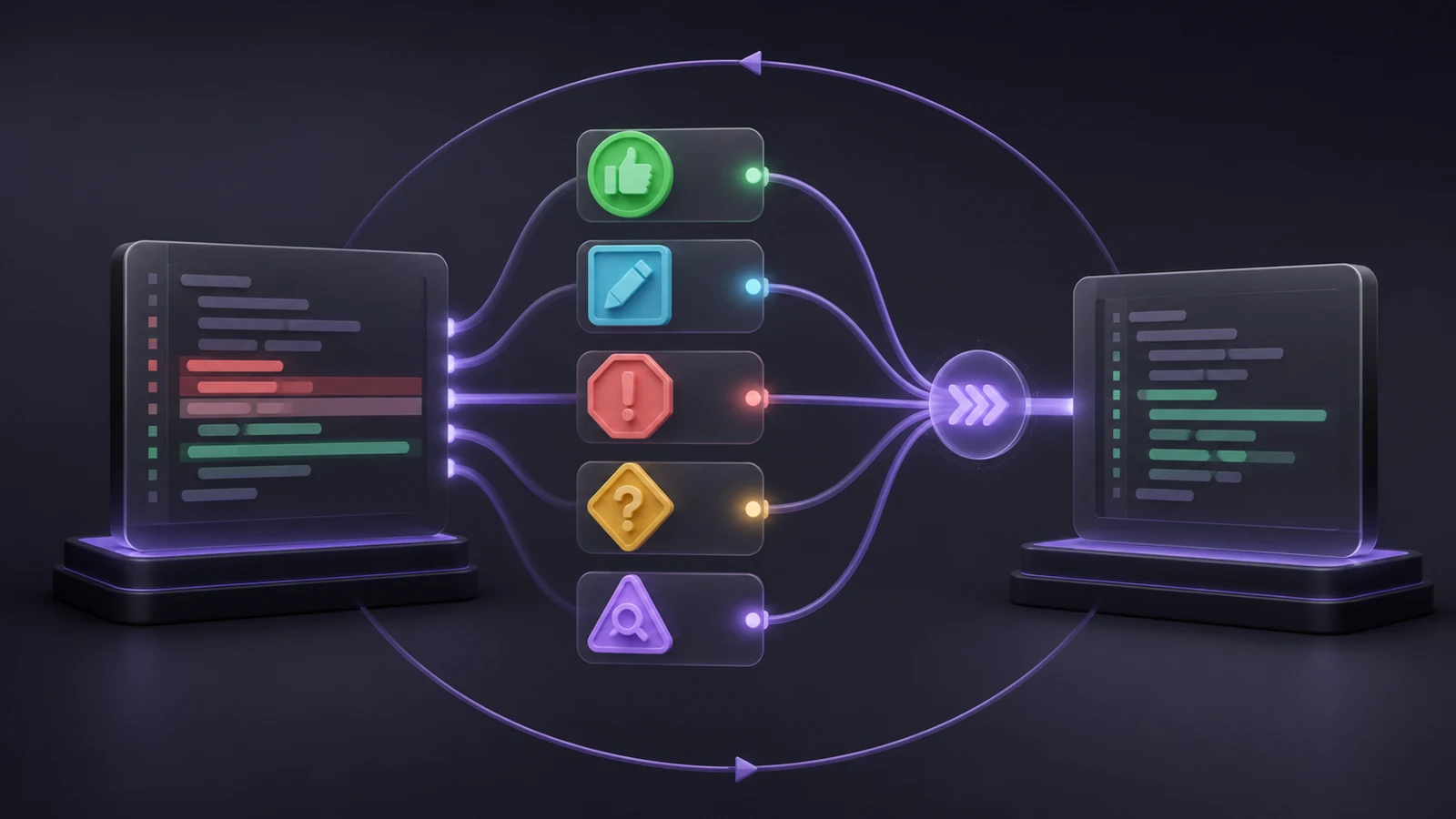
A lightweight review language that makes feedback clearer, kinder, and easier to act on.
Simple commit and pull-request habits that reduce review friction and make collaboration calmer.
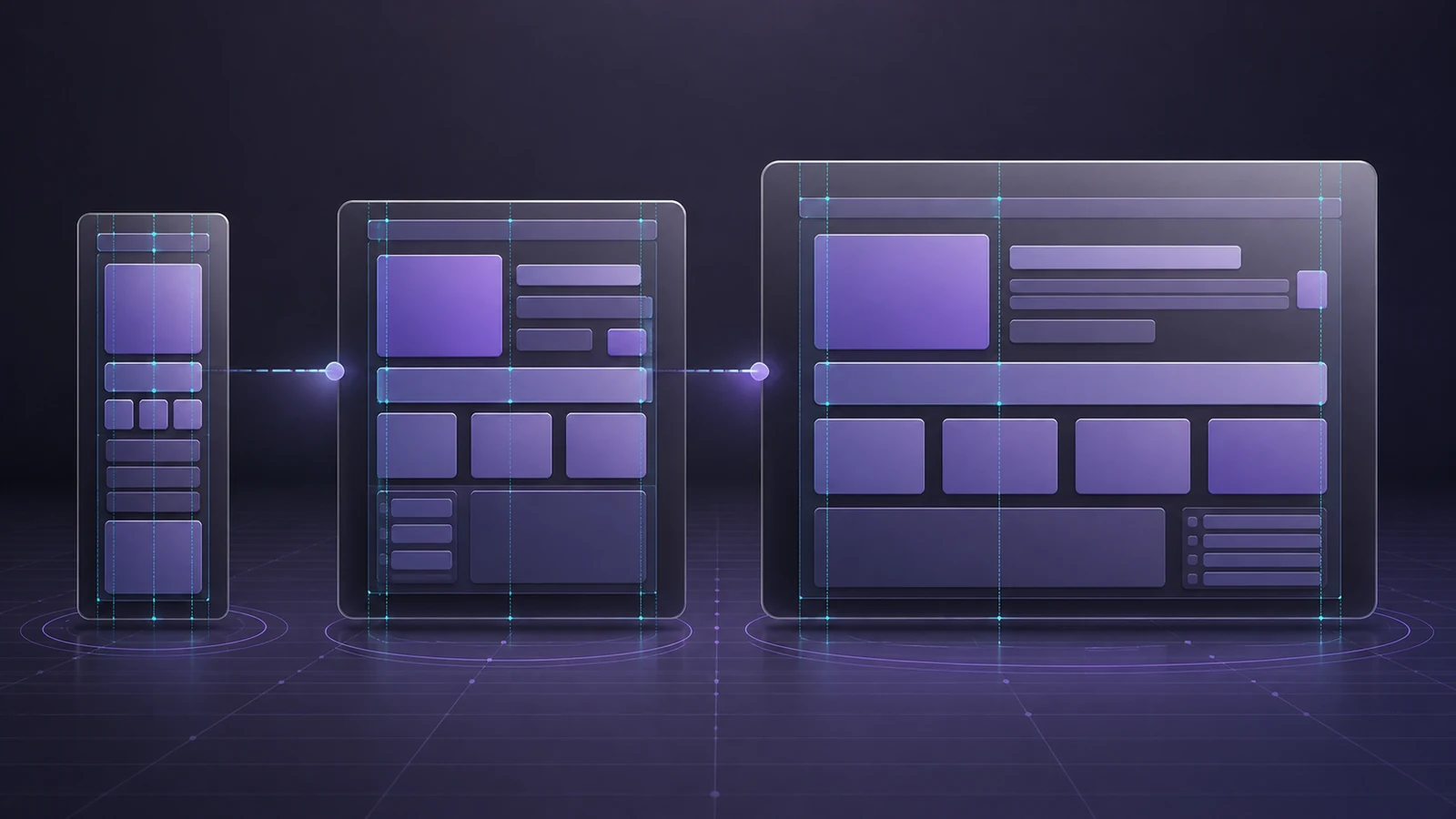
Responsive work gets easier when breakpoints and layout decisions are treated like a shared system.
The version of coding standards I would actually hand to a growing frontend team today.
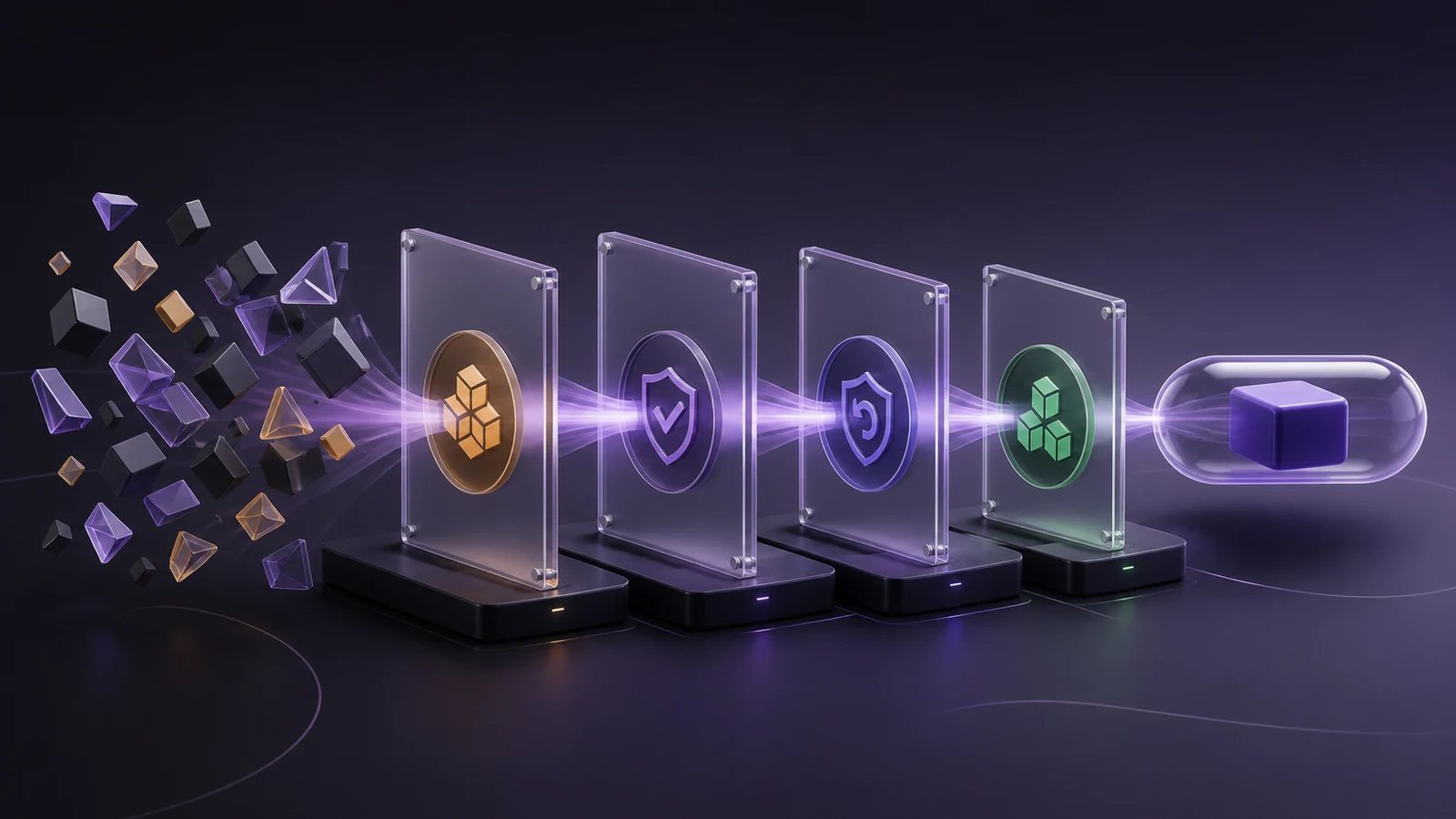
A release process should lower stress, tighten feedback loops, and make production changes easier to trust.
Positive conditionals usually reduce mental load and make branches easier to scan, review, and change.
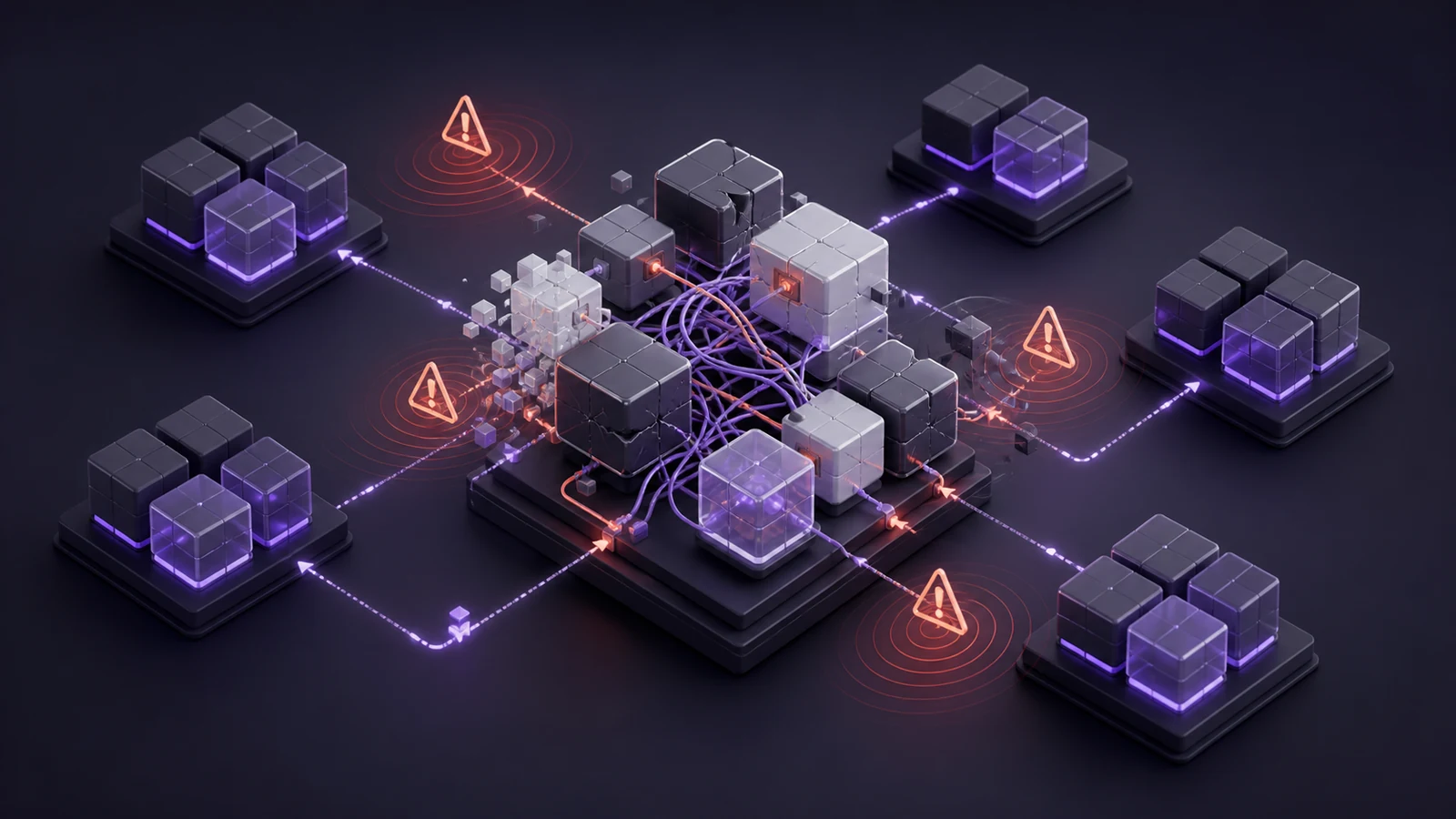
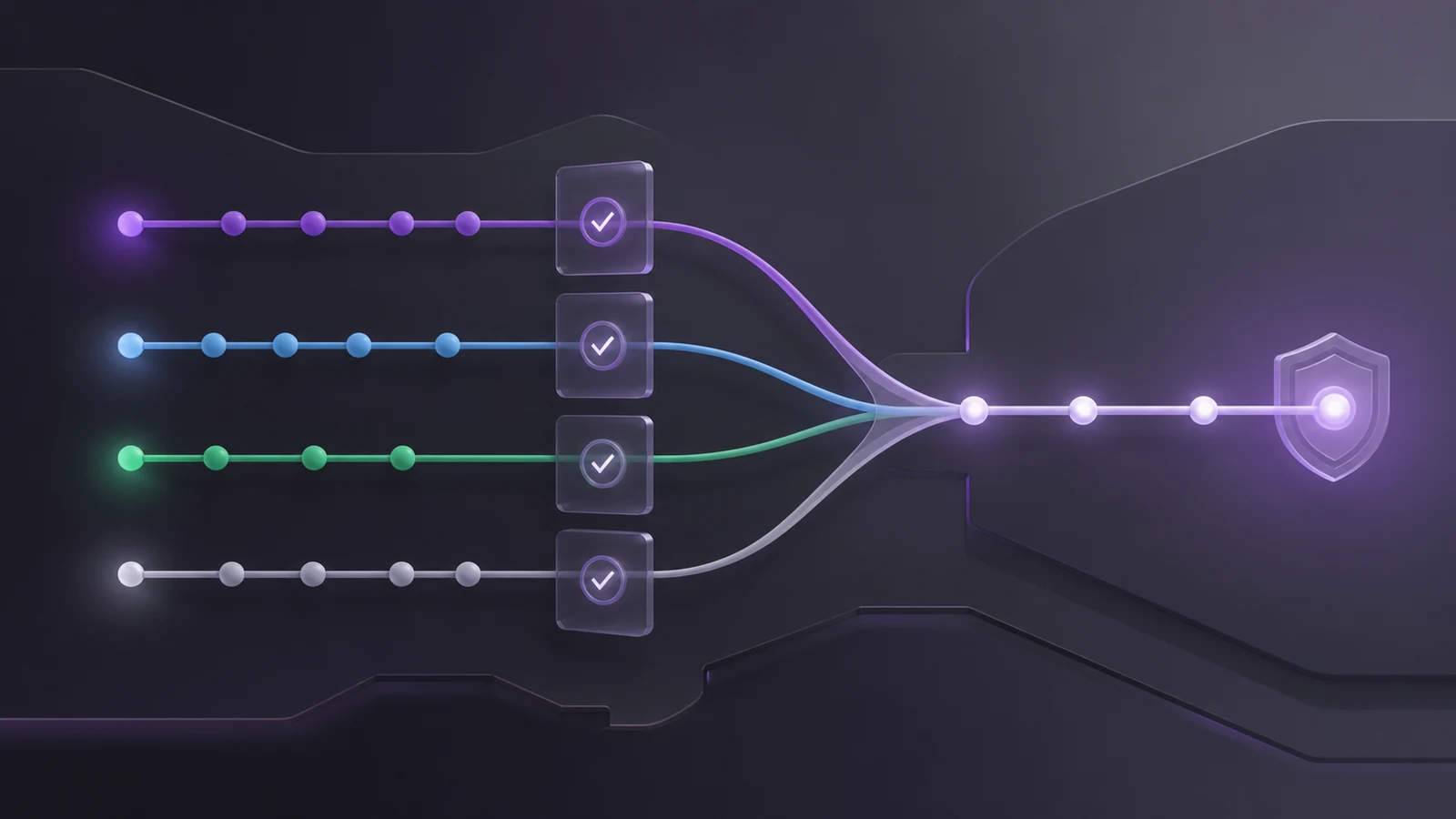
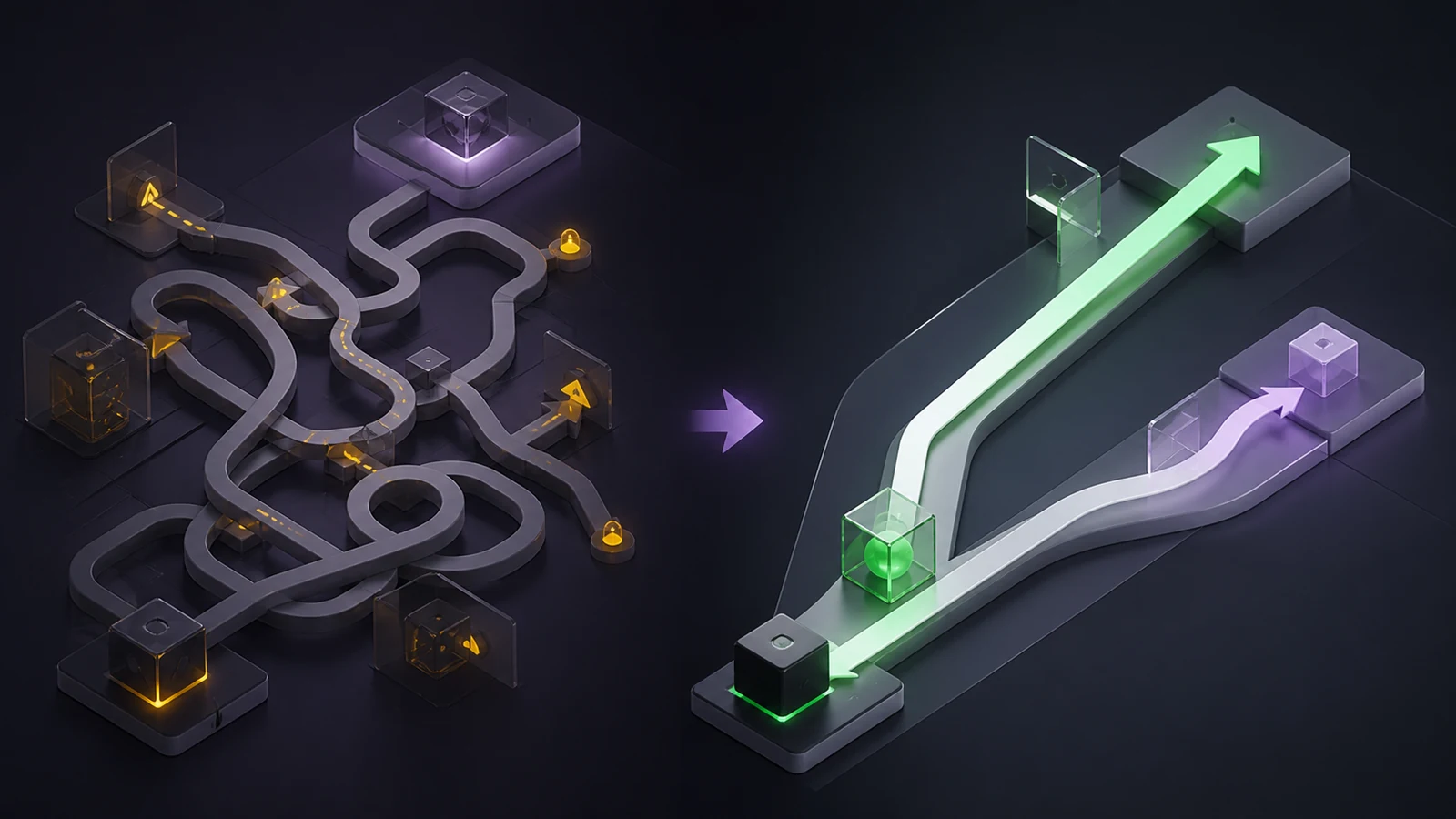
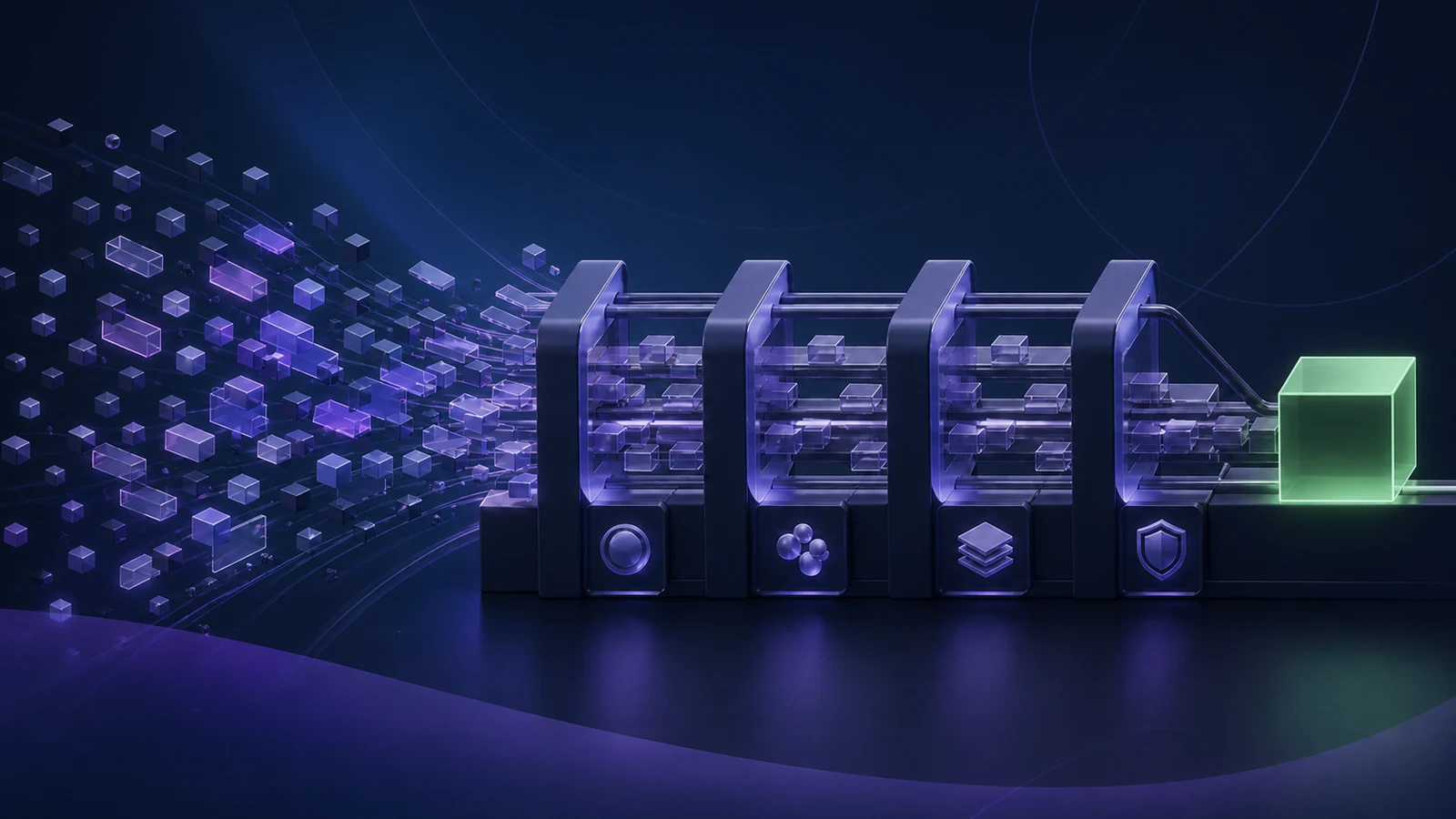
AI speeds up code changes, but ESLint, tests, snapshots, and end-to-end checks are what keep probabilistic output from turning into production risk.
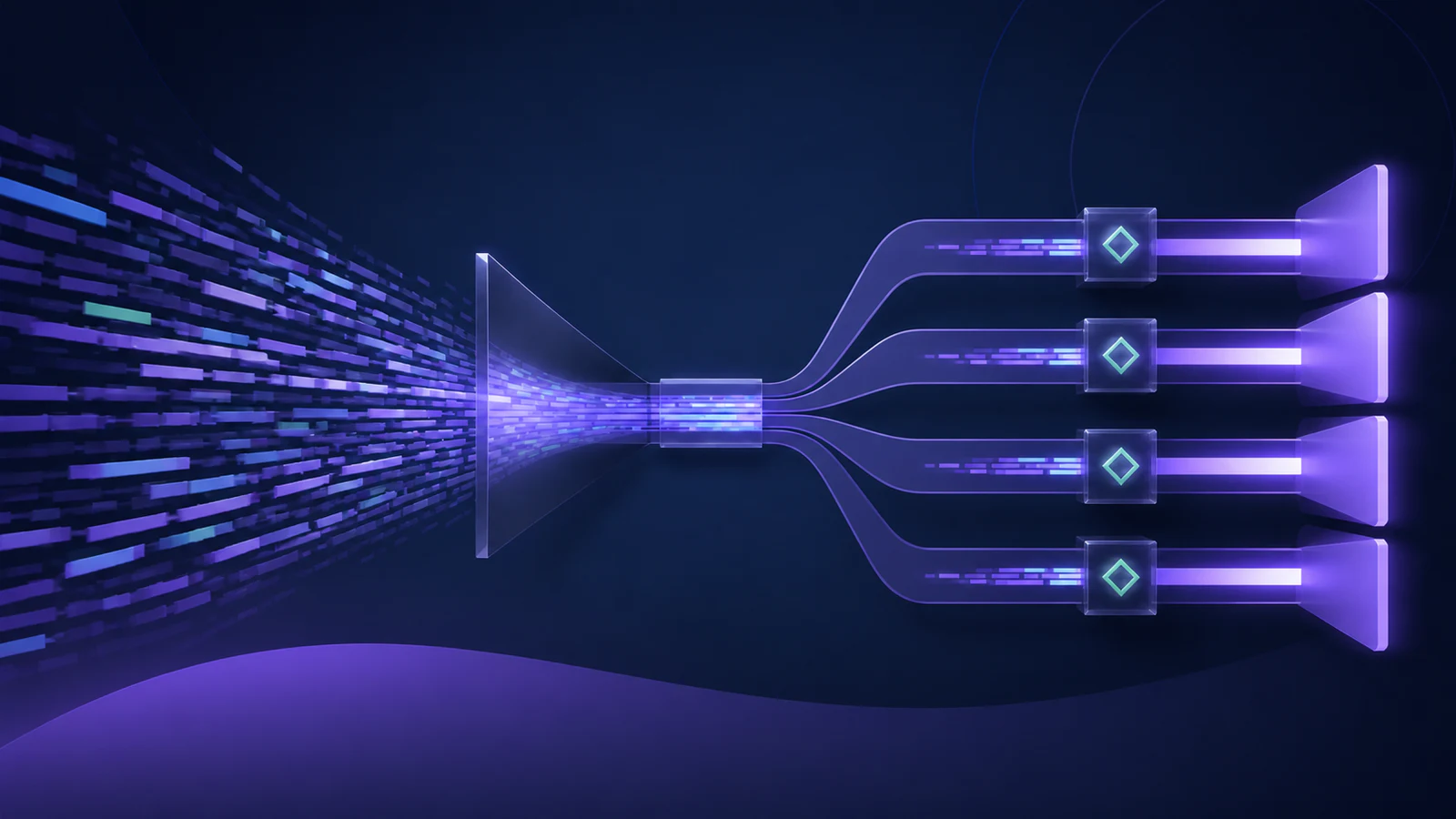
AI agents rerun checks constantly. Quiet logs, compact reporters, and parallel verification reduce token waste without lowering the quality bar.
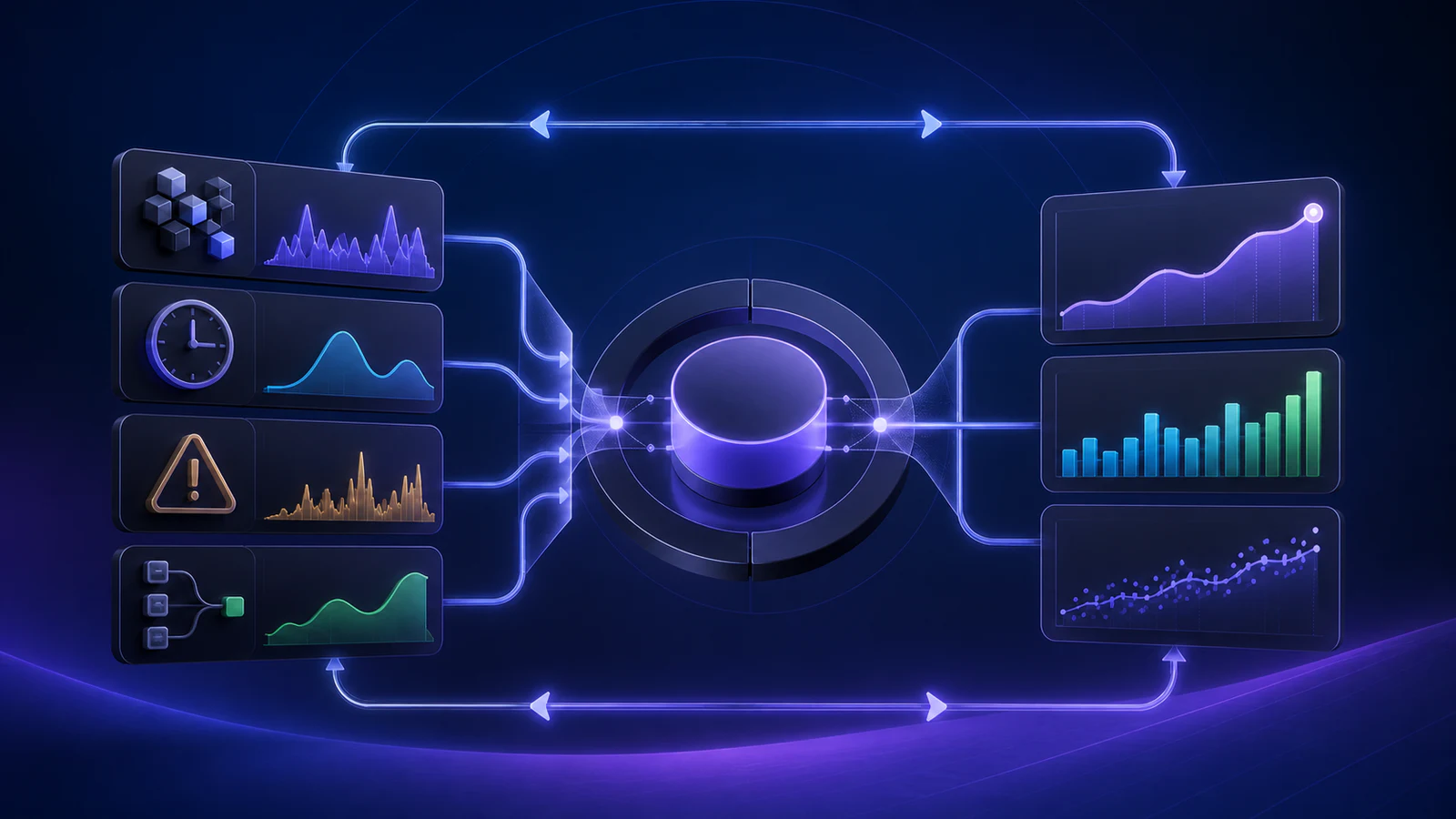
DX improvements that cannot be measured rarely survive long enough to compound. Treating them like product work changes that.
A year of monthly architecture notes changed how I review systems, how I catch drift, and how I explain decisions to the people who inherit them.
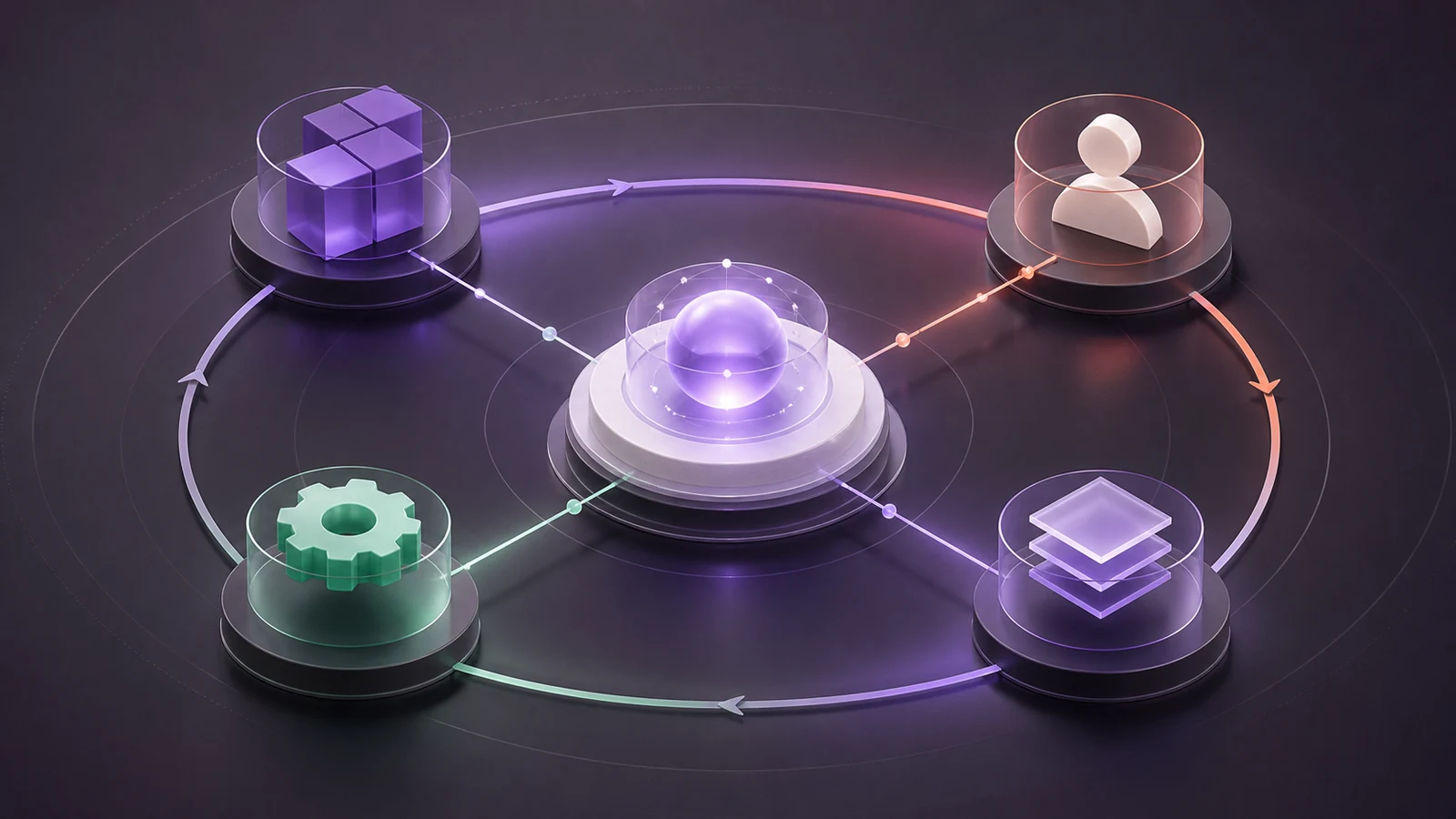
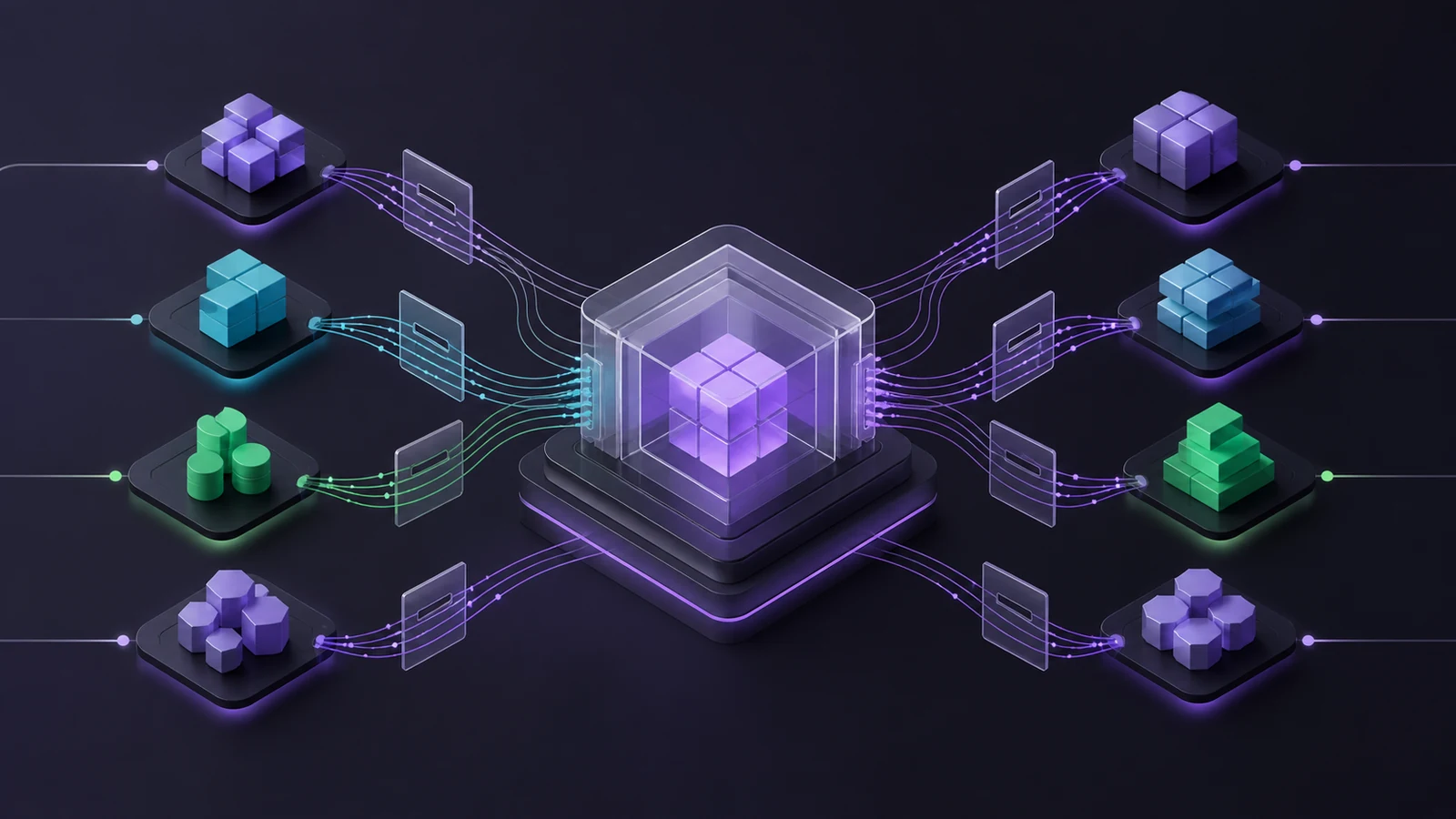
How Lumen, ESLint Config Basic, Quality, Astro Doctor, Commitprompt, Dep Beacon, OG, Theme, and Auth form one practical system for my projects.