Posts
8
Articles collected into this reading track.
Articles collected into this reading track.
Cadence
A guided walkthrough from project structure to auth and delivery.
Publishing rhythm for this series.
Recurring themes shaping the articles in this track.
These posts are meant to be read as a progression, not as isolated tutorials. The throughline is simple: a production app needs more than screens. It needs conventions, review guardrails, tests, deployment checks, and authentication that still make sense months later.
If you are building or rescuing a Next.js codebase, this series is the path I would want a team to have in front of them from day one.
Focus areas
Posts
Read these in order if you want the clearest progression from foundations to deeper implementation decisions.
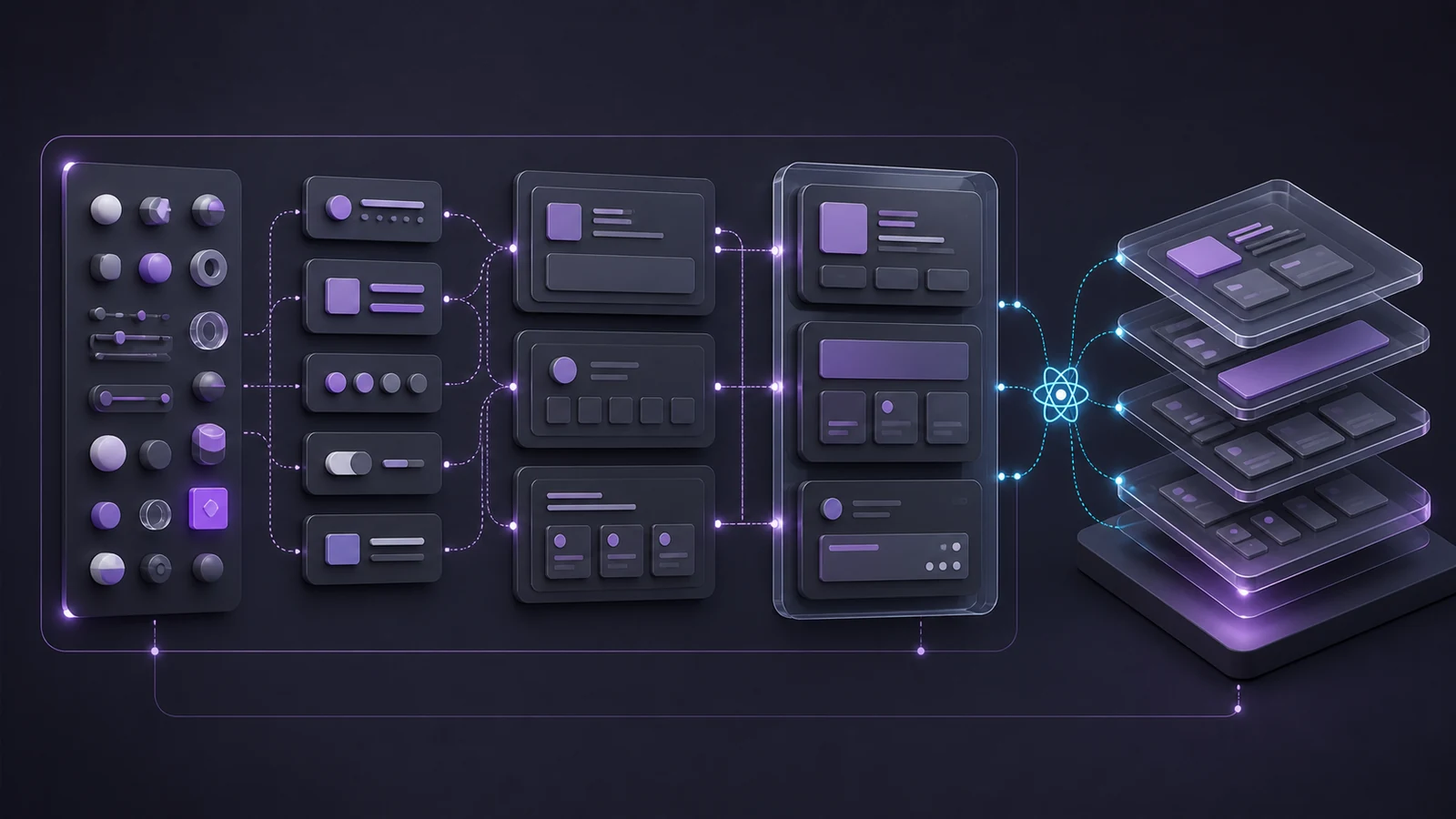
Structure React projects using Atomic Module Components — covering file layout, naming conventions, and scalability patterns for growing TypeScript codebases.
Configure ESLint for Next.js with TypeScript and Vitest integration. Covers code quality rules, import conventions, and a scalable setup for React projects.
A practical Husky setup for Next.js projects so linting, testing, and pre-push checks become part of the team workflow instead of a last-minute cleanup step.
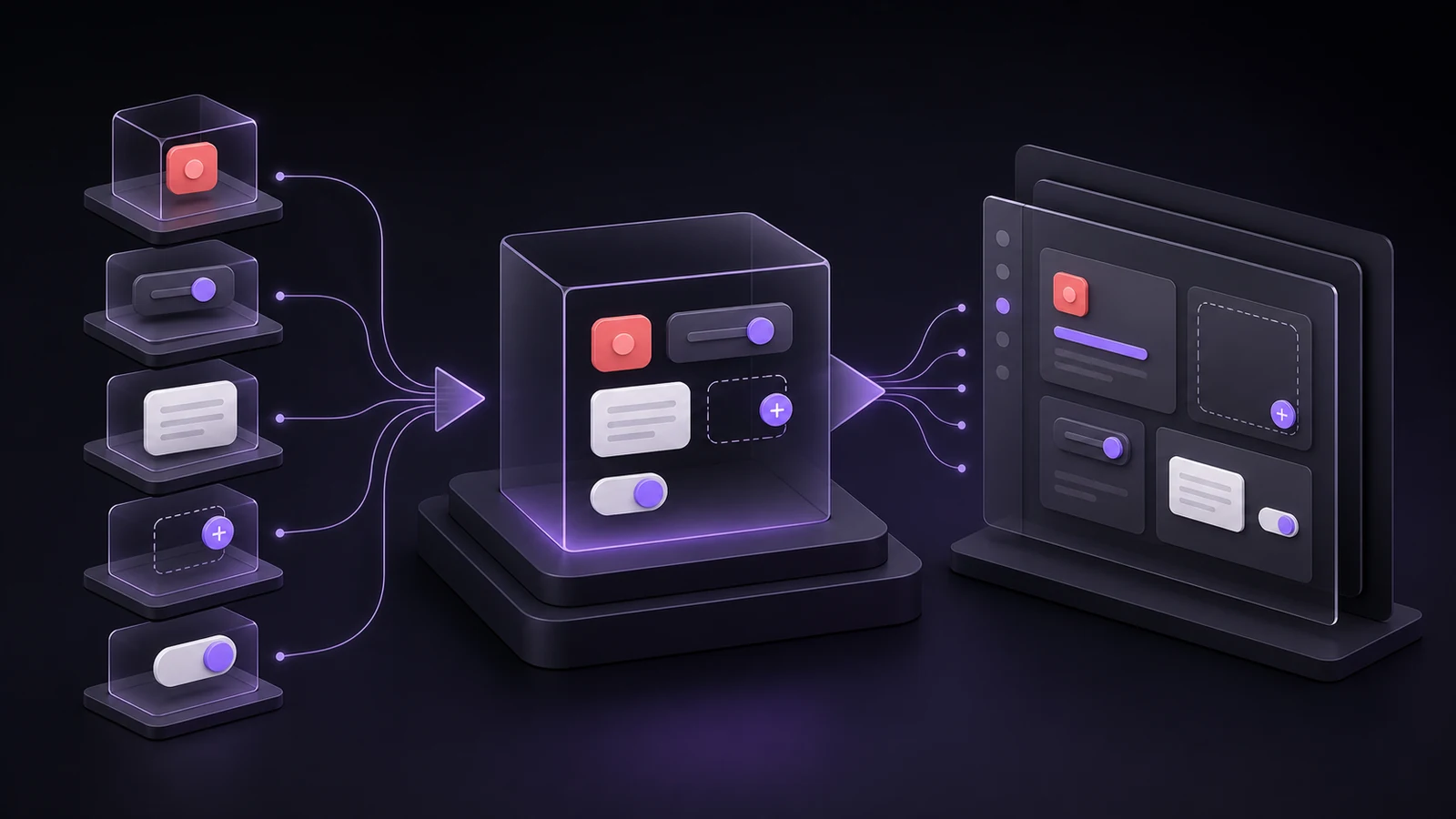
Set up Storybook in a Next.js project with Tailwind and TypeScript. Build isolated UI components, write stories, and improve design system collaboration.
A practical setup for testing React components with Vitest and React Testing Library, focused on behavior, confidence, and maintainable frontend code.
Build a practical Next.js CI/CD pipeline with GitHub Actions that installs cleanly, runs linting and tests, verifies builds, and deploys trusted code.
Build maintainable Next.js authentication with Supabase SSR, protected routes, session handling, and clear authorization patterns for production teams.
How to add accessibility automation to your Playwright suite in a way that is fast enough to stay in the workflow and specific enough to actually catch problems.